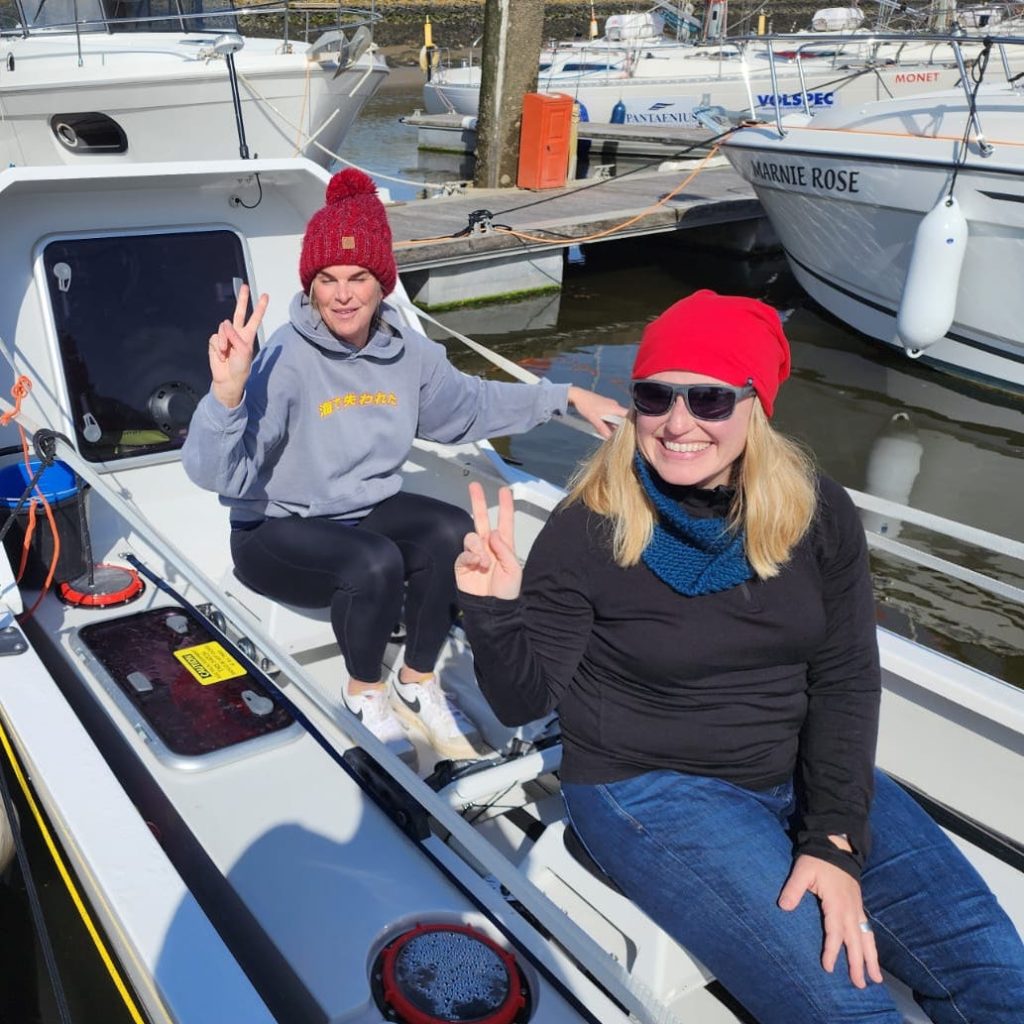
In 2004, the fabulous “Dawn Treader’ Annabel was my Personal Trainer as I was trying to get fit after the birth of my daughter. We clicked and became friends but drifted apart as life and children took our focus.
Fast forward to 2024 and my curiosity was piqued when Annabel messaged me on Facebook to ask if I’d like to discuss a project she was working on. With radical honesty, I was a little wary because having been a clinician for nearly 20 years there is often a supplement or gadget someone wants to promote. In this case however, she was outlining the concept of this incredible project and asking if I would like to be involved as a menopause advisor. I jumped at the chance.
So, a little bit about me. I am a hormone and menopause specialist who has been in clinical practice since 2007. I work with nutrition, functional wellness, kinesiology and emotional coaching. My online clinic Hormone Wellness works with people of all ages from around the world, offering a whole health approach to hormone issues. We are different because we look at the reasons why they have hormone imbalances and find the right solution to get them back on track. Perimenopause is therefore one of the most popular conditions we work with.
I am also the Head of The College of Functional Wellness where we offer accredited online training to people who want to be menopause and hormone coaches, and I am the co-author of the book “Improving The Menopause Experience Through Nutrition and Lifestyle” (Jessica Kingsley Publishers).
In 2016 I was diagnosed with a condition called Premature Ovarian Insufficiency (POI) which put me into a state of long-term perimenopause. I was 40 when I received my diagnosis, and it had taken ten years of ill health and pushing for tests and to see specialists to get it. The standard hormone replacement approach didn’t work for me, and I had to search far and wide to find answers. The search led me to create a unique clinic model, ‘The Triangle of Hormonal Health’, presented in my book along with clinical protocols that are taught in my college and worked with in my clinic.
I am on a personal mission to change the way that menopause and hormone issues are dealt with and perceived, because right now, it is just not good enough and millions of women, of all ages, are struggling.
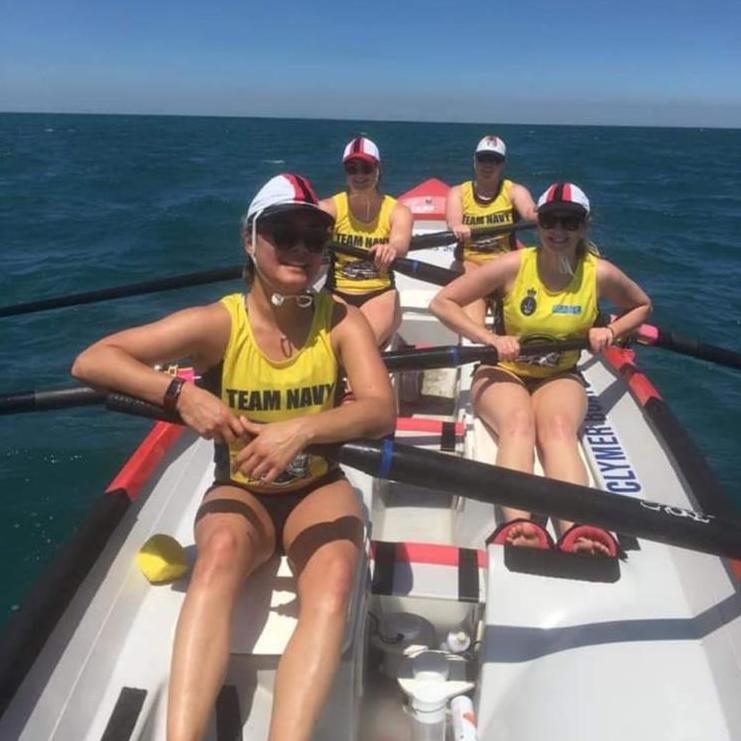
My excitement about the Dawn Treaders project revolved around the fact that by very definition women start going through perimenopause at the age of 36, with symptoms increasing into their mid to late 40’s, meaning that these intrepid women would be in various stages of peri-menopause while rowing across the Pacific Ocean! Having to cope with training and then this very demanding row, whilst being perimenopausal is an (almost) superhuman feat and I want to support these ‘wonder women’ however I can… and if we get to raise more awareness of what is happening in the body during menopause, even better!
The current medical categorisation defines menopause as being the twelve months after a woman’s last menstrual bleed which is technically post menopause. Here our oestrogen and progesterone have both dropped and the hormone replacement treatment (HRT) that is offered is based on this. However, during most of our perimenopause transition, our oestrogen remains at the same level it has always been, whilst our progesterone plummets. This is when a lot of women start to experience symptoms such as weight gain, water retention, urine infections, insomnia, a drop in confidence, and feeling teary, snappy, moody, and anxious. These symptoms often start years before the well-known menopause symptoms of hot flushes and vaginal dryness.
At this stage if women are under 45 they often get prescribed anti-depressants, statins or blood pressure medication. If they are over 45 they will usually be given a combination of progesterone and oestrogen as hormone replacement. The problem with this is that they often have enough oestrogen so when they take their HRT they often still feel awful, with few, if any of the symptoms being rectified.
When our progesterone drops our stress hormone, cortisol is unopposed and starts to wreak havoc. This can be a problem for most women just working out an average amount, let alone training for an athletic event such as a cross-Pacific row! Having lots of cortisol in the body can lead to sleep issues, weight issues (despite doing loads of exercise), injuries, and inflammation. Cortisol is one of those unstable hormones that is important to be mindful of for everyone in perimenopause.
So, that is what I am here to do with the team – support them through this process, ensure that they are hormonally balanced, and offer my knowledge and experience.